
The Illusion of the “Hot” and “Cold” Slot Machines
One of the most pervasive myths in the world of casinos is the notion that slot machines can be “hot” or “cold.” Many players believe that if a machine has recently paid out a jackpot, it will be “cold” for a while, meaning it won’t pay out again soon. This misconception stems from a fundamental misunderstanding of how modern slot machines operate. In reality, each spin of a slot machine is independent and determined by a random number generator, which means that past results do not influence future outcomes. Players interested in enjoying their experience might consider exploring options like online casino $10 neosurf to make the most of their gaming sessions. This means that every time you pull the lever or press the button, you have the same chance of winning as you did the first time you played.
The concept of “hot” and “cold” machines can lead players into a pattern of betting based on emotion rather than logic. For instance, a player might choose to continue playing a machine that has been consistently losing in hopes that it will soon provide a big payout. However, this approach is a classic example of confirmation bias, where individuals selectively remember instances that support their beliefs while ignoring the overwhelming evidence that contradicts them. Understanding the randomness of slot machines can lead to a more rational approach to gameplay, helping players to avoid the emotional rollercoaster that often accompanies such misconceptions.
Additionally, casinos design their games to keep players engaged, which can further perpetuate these myths. The colorful graphics, engaging sounds, and enticing themes contribute to the player’s experience, creating an emotional connection that can cloud judgment. Instead of relying on superstitions, a more effective strategy is to set a budget, understand the rules of the game, and play for fun rather than to chase losses or perceived patterns. By doing so, players can enhance their enjoyment and make informed decisions about their gaming experience.
The Myth of Beating the House Edge
Another common myth among casino enthusiasts is the belief that one can consistently beat the house edge with strategies or systems. Many gamblers are drawn to various betting systems, such as the Martingale strategy, which suggests doubling your bet after a loss to eventually recoup losses. While many players are hopeful that these strategies can help them come out ahead, they often overlook the mathematical reality of the games they are playing. The house edge is designed into the games, ensuring that the casino has a built-in advantage over time, which means that no strategy can reliably overcome this inherent disadvantage.
Understanding the concept of the house edge is crucial for any gambler. For example, in games like roulette or blackjack, the odds are structured in such a way that the house always has a slight advantage. This means that while players might experience short-term wins, over the long run, the casino will profit. The belief that one can find a foolproof strategy to outsmart the house is not only unrealistic but can also lead to significant financial losses. Players must recognize that the odds are not in their favor, and this understanding can help them make more informed choices during their gaming sessions.

Instead of trying to beat the house edge, players should focus on enjoying the experience of gambling and managing their bankroll effectively. Recognizing that gambling should primarily be a form of entertainment rather than a way to make money will lead to a more enjoyable experience. Emphasizing fun and setting realistic expectations can help mitigate disappointment and foster a healthier relationship with gambling. By prioritizing enjoyment over profit, players can create a more sustainable approach to their gaming endeavors.
The Role of Luck vs. Skill in Gambling
The debate over luck versus skill in gambling is a hot topic among players, with many believing that skill alone can tip the odds in their favor. While certain games, such as poker, do require a degree of skill and strategy, many casino games are primarily based on luck. For example, games like slots and roulette are purely random and do not involve any skillful play. This stark contrast can lead to confusion among players who might assume that applying skillful strategies will yield better results across all types of games. Understanding this distinction is essential for setting realistic expectations when entering a casino.
In skill-based games, players can significantly influence the outcome through their decisions and playing style. In poker, for instance, understanding probability, reading opponents, and mastering bluffing techniques can enhance a player’s chances of winning. However, in games dependent on chance, no amount of skill can change the odds stacked against a player. Recognizing which games are skill-based and which are based on luck is essential for anyone engaging in casino gambling, as it can shape their strategy and approach to gameplay.
Ultimately, the distinction between luck and skill can shape a player’s approach to gaming. Those who understand the role of luck may be more inclined to enjoy their experience rather than stress over potential outcomes. Embracing the excitement of chance can lead to a more satisfying and less frustrating gambling experience, encouraging players to engage in games they genuinely enjoy without unrealistic expectations about winning. By accepting the nature of each game, players can balance their approach and focus on having fun while playing.
Superstitions: The Gambler’s Bane
Superstitions rampant in gambling culture can drastically affect player decisions. Many individuals cling to rituals or beliefs—such as wearing lucky socks or performing specific actions before placing a bet—hoping these practices will influence their success. The truth is, these superstitions have no proven impact on the outcome of games. This reliance on luck-based behaviors often distracts players from the rational aspects of gambling, such as understanding the odds and employing sound strategies. It can lead to decision-making that is more emotional than logical, which can ultimately hinder a player’s success.
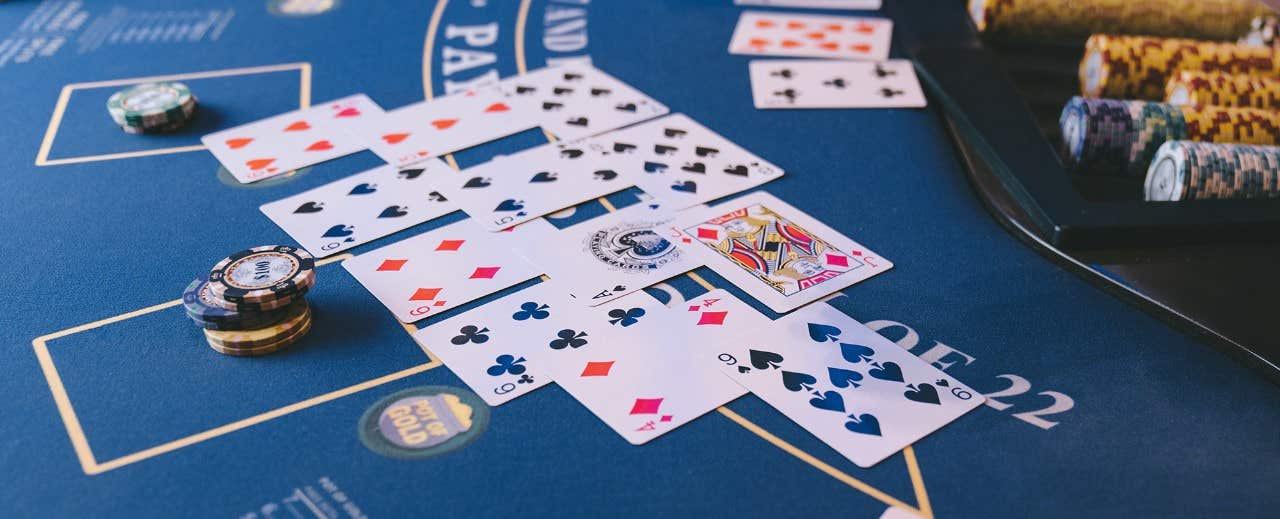
Moreover, superstitions can lead players to take unnecessary risks or make misguided decisions. For example, a player might choose to continue gambling despite significant losses simply because they believe a “lucky streak” is just around the corner. Such behavior can result in larger financial losses and increased frustration. Recognizing the irrational nature of these superstitions is crucial for anyone seeking a positive gambling experience. By understanding that luck is not influenced by personal rituals, players can rely more on strategic thinking and better decision-making.
What players should focus on instead is developing a structured approach to gambling. This involves setting clear limits, understanding the rules of games, and making informed decisions based on logic rather than superstitions. By doing so, players can foster an environment where enjoyment and responsibility coexist, enabling them to have a positive experience while minimizing potential risks associated with gambling. A rational approach will enhance their overall enjoyment and help them remain in control of their gambling activities.
Understanding Online Casinos and Their Differences
With the rise of online casinos, many myths have emerged regarding their legitimacy, fairness, and safety. A common misconception is that online games are rigged to favor the house excessively, which can deter potential players from experiencing the convenience and excitement of online gaming. In reality, reputable online casinos utilize Random Number Generators (RNGs) that ensure fair play across their games, similar to traditional casinos. This means that the outcomes of games are determined by a fair process, making the experience just as authentic and exciting.
Moreover, the regulations governing online casinos require them to undergo rigorous testing and certification by independent organizations to ensure fairness and adherence to industry standards. This adds an additional layer of security and trust for players who may be wary of the digital gaming environment. Understanding these regulations can help demystify the online casino experience and reassure players that they can enjoy online gaming safely. With reputable platforms, players can engage without fear of being taken advantage of, as fairness is a priority in the online gaming community.
Additionally, online casinos often provide players with various bonuses and promotions that enhance their experience. Many players underestimate the potential value of these offers, believing that they come with excessive restrictions or hidden terms. However, many promotions are straightforward and can provide players with excellent opportunities to maximize their gameplay. Educating oneself about the online casino landscape can lead to a more rewarding gambling experience and enable players to take full advantage of what these platforms offer. By exploring these options, players can enhance their gaming sessions and enjoy a more fulfilling online gambling journey.